




LITTLE CREEK, Del. — Delaware has confirmed its first detection of highly pathogenic avian influenza, commonly known as bird flu, this fall after seven hunter-harvested ducks tested presumptive positive for the H5 virus in eastern Kent County.
The detection occurred during the opening segment of Delaware’s 2026-27 duck hunting season, which ran from Oct. 31 through Nov. 7, according to the Delaware Department of Natural Resources and Environmental Control.
The U.S. Department of Agriculture’s Animal and Plant Health Inspection Service discovered the virus during routine surveillance conducted for DNREC’s Division of Fish and Wildlife at the Little Creek Wildlife Area.
Samples collected from the ducks were tested at the Pennsylvania Veterinary Laboratory, where presumptive positive results were identified in three species: green-winged teal, American black duck and northern shoveler.
Hunters urged to watch for sick or dead birds
With Delaware’s next waterfowl hunting season segment scheduled to begin Nov. 25, DNREC is urging hunters and the public to remain alert for sick or dead birds that could be affected by avian influenza.
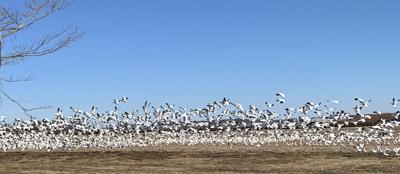
Bird flu has become increasingly common throughout the Mid-Atlantic region, particularly among large flocks of snow geese that migrate from the Arctic and gather in Delaware each winter.
Although snow geese have been heavily affected in previous outbreaks, this season’s first detection involved ducks.
DNREC is asking people who encounter groups of sick or dead ducks, geese, shorebirds, raptors or other wild birds to report their findings through the agency’s sick and dead wildlife reporting form.
Not every report will result in a response from DNREC or USDA Wildlife Services. However, biologists will review submissions and may contact people for additional information.
The reports help wildlife biologists monitor the spread of bird flu and evaluate its impact on Delaware’s wild bird populations.
How to safely dispose of dead birds
People who discover dead wild birds on their property and choose to remove them should take precautions to avoid exposure to the virus.
DNREC recommends wearing gloves, a mask and safety glasses when handling dead birds.
Each bird should be double-bagged, with the bags secured using a zip tie, before being placed in a trash bin for disposal at a Delaware Solid Waste Authority landfill.
Protective equipment should also be carefully removed and discarded. Anyone handling dead birds should thoroughly wash their hands afterward.
Bird flu poses risks to poultry and wild birds
Avian influenza is a highly contagious respiratory virus that spreads among birds through nasal secretions, eye secretions and manure.
The virus can move between wild birds and domestic poultry through direct contact, contaminated equipment and clothing or shoes worn by poultry farmers and caretakers.
Waterfowl hunters who also raise chickens, ducks or other domestic poultry are encouraged to follow strict biosecurity measures to prevent bringing the virus into their flocks.
The Centers for Disease Control and Prevention considers the risk of H5 bird flu infections to the general public to be low.
However, human infections have increased in the United States in recent years, primarily among agricultural and dairy workers who have direct contact with infected farm animals.
Safety tips for Delaware waterfowl hunters
With duck and goose hunting seasons resuming Nov. 25, DNREC recommends hunters take several precautions to reduce the risk of exposure and prevent the virus from spreading.
Avoid harvesting or handling wild birds that appear sick or are found dead.
Do not eat, drink or smoke while cleaning harvested birds.
Wear rubber gloves when cleaning game or home bird feeders.
Wash hands thoroughly with soap and water after handling birds or cleaning feeders.
Clean all tools and work surfaces with soap and water.
Prevent cross-contamination by keeping uncooked game separate from cooked or ready-to-eat foods.
Cook game meat thoroughly to an internal temperature of at least 165 degrees Fahrenheit to kill disease-causing organisms and parasites.
DNREC emphasizes that vigilance among hunters and the public is important for tracking the spread of avian influenza and protecting Delaware’s wildlife and poultry industry.
People who encounter multiple sick or dead wild birds are encouraged to report them rather than handle them unnecessarily.
